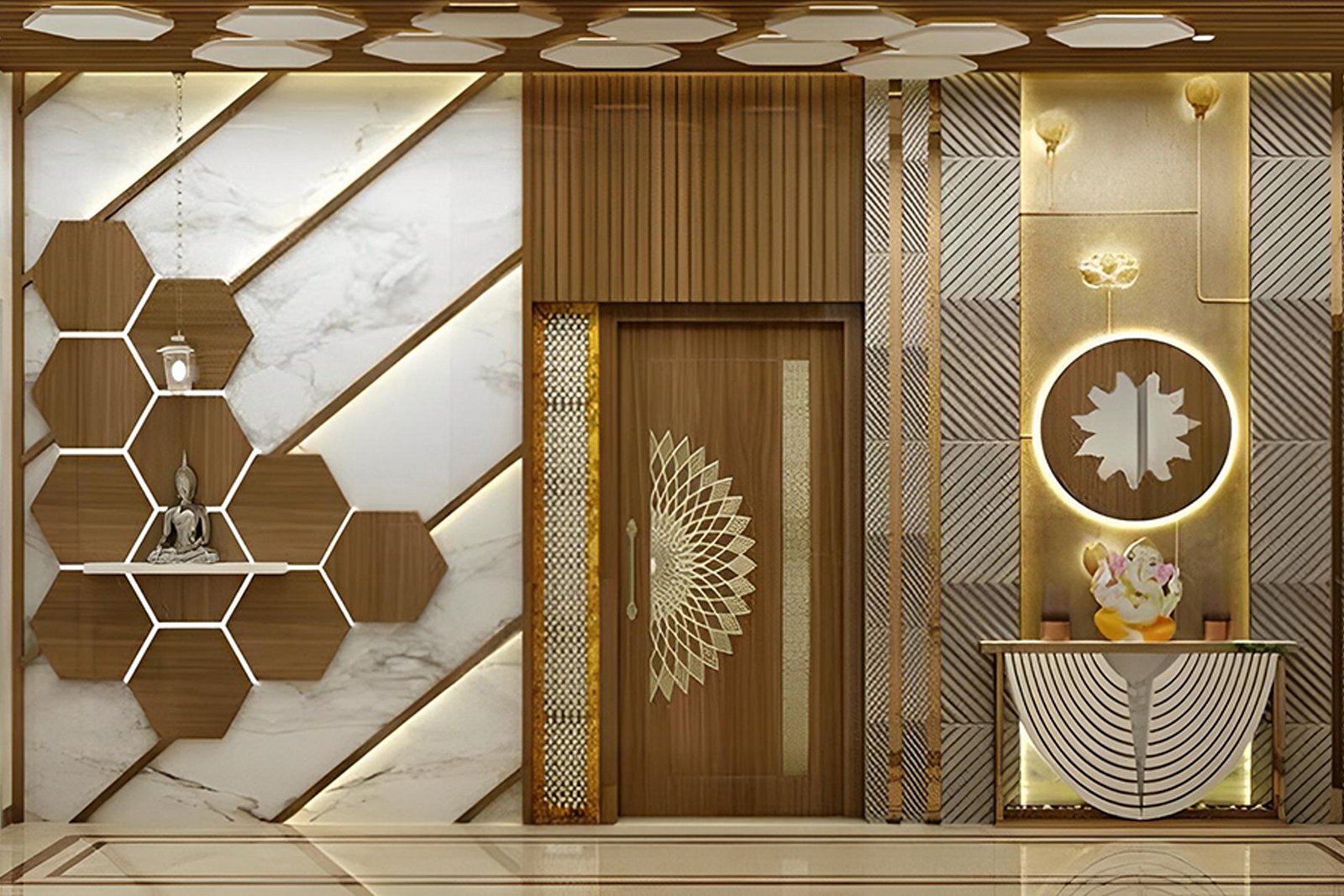
Custom CNC Jali Solutions for Facades & Interiors
CNC Jali panels are precision-cut decorative screens created using computer-controlled routing technology. They allow you to achieve intricate geometric, floral, and custom patterns with exceptional accuracy in materials like MS, SS, aluminium, MDF, WPC, and HPL.
At The NestX, we design, cut, finish, and install CNC Jali systems tailored to your project requirements. Whether you need façade screens for privacy, balcony railings with artistic designs, or interior partitions that define space while allowing light and ventilation, our CNC Jali solutions blend structural integrity with visual impact.
Why Choose CNC Jali with The NestX
Precision, Patterns & Performance
From concept to installation — we deliver complete CNC Jali solutions.
-
Custom Patterns & Design Flexibility
Choose from our pattern library or develop fully customized motifs based on your brand, theme, or architectural style.
-
High-Precision CNC Cutting
Computer-controlled cutting ensures clean edges, consistent repetition, and exact replication across multiple panels.
-
Multiple Material Options
We work with MS, SS, aluminium, MDF, WPC, HPL, and more — based on whether the application is exterior, interior, structural, or purely decorative.
-
Decorative & Functional
Ideal for privacy screens, light filtering, ventilation panels, stair & balcony railings, room partitions, entrance features, and façade overlays.
-
Premium Finishes & Coatings
Powder coating, PU painting, wood finishes, and metallic textures can be applied to match your colour palette and durability needs.
-
End-to-End Installation Support
Our team handles frame design, anchoring, fixing systems, and on-site installation to ensure safety, stability, and long-term performance.
Our CNC Jali Execution Workflow
From Pattern Ideation to On-Site Installation
-
1. Requirement Study & Application Mapping
We understand the purpose of the Jali — privacy, aesthetics, safety, ventilation, or branding — and identify locations such as facades, balconies, staircases, or interiors.
-
2. Pattern Design & Visualisation
Our design team prepares pattern options, scaling, and density based on your privacy, light, and airflow needs. We share visual mock-ups for review and approvals.
-
3. Material Selection & Technical Drawings
We finalize material type, thickness, panel size, fixing points, and prepare CNC-ready CAD files and shop drawings for production.
-
4. CNC Cutting & Edge Finishing
Panels are CNC-cut with high accuracy and cleaned, deburred, and prepared for surface finishing to ensure smooth edges and safe handling.
-
5. Surface Coating & Protection
Depending on the application, we apply powder coating, paint, or protective finishes for corrosion resistance, colour stability, and extended life.
-
6. Framing, Installation & Final Check
We install the Jali panels using appropriate frames, brackets, and fasteners, followed by alignment, stability, and finish quality checks before handover.
CNC Jali – Frequently Asked Questions
-
Where can CNC Jali panels be used?
CNC Jali panels can be used in façades, balcony railings, staircase railings, compound walls, entrance features, interior partitions, window screens, reception backdrops, and ceiling accents.
-
Are CNC Jali panels suitable for exterior use?
Yes. When we use appropriate exterior-grade materials like MS, SS, aluminium, WPC, or HPL with proper coating and fixing details, CNC Jali panels are highly suitable for outdoor applications.
-
Can you create custom patterns or logos?
Absolutely. We can develop bespoke patterns based on your brand logo, theme, cultural motifs, or specific design inputs, and translate them into CNC-ready artwork.
-
How thick are CNC Jali panels usually?
Panel thickness depends on the material and application. For example, MS and aluminium panels generally range between 2 mm and 6 mm, while MDF/WPC thickness varies based on structural and design requirements.
-
Do you handle both cutting and installation?
Yes. The NestX provides complete solutions — design, CNC cutting, finishing, framing, and on-site installation — ensuring the final look matches the design intent and safety standards.